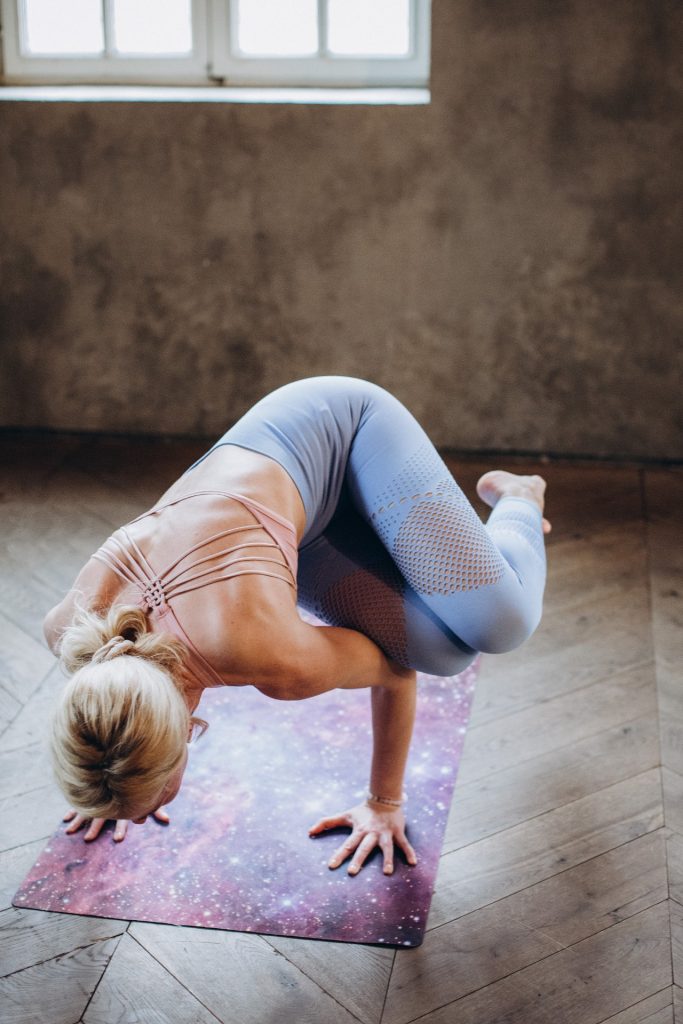
Simple Fitness for Real Life – No Gym, No Pressure, Just Results
Achieving fitness doesn’t have to be complicated or pressurised. With at home workouts for beginners, you can start your journey towards a healthier lifestyle without stepping into a gym.

Edit
Full screen
Delete
Simple fitness
Embracing simple fitness routines can be incredibly liberating. It allows you to focus on your goals without the distractions often found in gym environments. By incorporating effective exercises into your daily routine, you can make steady progress towards your fitness objectives.
Key Takeaways
- Begin your fitness journey with simple, effective workouts at home.
- Reduce pressure by avoiding gym environments.
- Focus on real-life results with consistent exercise routines.
- Improve your overall health and wellbeing.
- Enjoy the flexibility of exercising at your own pace.
Why Simple Fitness Works Better for Most People
Many people struggle with complicated fitness plans, but simple fitness offers a more sustainable alternative. The idea of having to spend hours at the gym or follow a complex exercise routine can be daunting for most individuals, especially those over 40 or with joint issues.
The Problem with Complicated Fitness Regimens
Complicated fitness regimens often lead to frustration and burnout. This is largely due to common barriers to exercise consistency, such as lack of time, intimidation by complex routines, and the pressure to achieve immediate results.
Common Barriers to Exercise Consistency
Some of the most significant barriers include:
- Lack of time
- Intimidation by complex routines
- Pressure to achieve immediate results
Additionally, the myth that one must experience pain to achieve gains is a significant deterrent for many.
The Myth of “No Pain, No Gain”
The notion that exercise must be painful to be effective is a misconception. In reality, sustainable exercise habits focus on consistency and gradual progress rather than intensity.
The Psychology of Sustainable Exercise Habits
Building sustainable exercise habits is as much about psychology as it is about physical movement. The key lies in creating routines that are enjoyable and achievable, thereby fostering long-term commitment.
Building Momentum Through Small Wins
By focusing on small, achievable goals, individuals can build momentum and confidence in their fitness journey. This approach is particularly beneficial for those engaging in low-impact workouts for joints, as it promotes gradual and sustainable progress.
Ultimately, simple fitness is about embracing a lifestyle that is maintainable and enjoyable, rather than striving for short-term gains.
Assessing Your Current Fitness Level Without Judgement
Before diving into a new fitness routine, taking stock of your current fitness level is a sensible first step. This assessment will help you understand your strengths and weaknesses, allowing you to create a more effective workout plan.
Simple Self-Assessment Techniques
There are several straightforward methods to evaluate your fitness level. You can start by assessing your cardiovascular health, muscular strength, and flexibility. For instance, you can measure how far you can walk or run in a set amount of time, or count how many push-ups you can do.
Baseline Measurements That Actually Matter
When assessing your fitness, focus on measurements that provide meaningful insights. These can include your resting heart rate, body fat percentage, and overall endurance. Tracking these metrics will help you monitor your progress over time.
Setting Realistic Expectations
It’s essential to set achievable goals based on your current fitness level. This will help you stay motivated and avoid disappointment. Consider your lifestyle, schedule, and fitness goals when setting your expectations.
Creating Achievable Milestones
Breaking down your long-term goals into smaller, manageable milestones is a great way to stay on track. For example, if you’re a busy professional looking for workouts for busy men, you might start with short, high-intensity workouts at home, such as belly fat workouts at home. Celebrate your successes along the way to keep yourself motivated.
Creating Your Home Workout Space with Minimal Equipment
With minimal equipment and a bit of creativity, you can turn any room into a fitness zone. The key is to focus on functionality and motivation rather than on having a lot of expensive machinery.
Essential Items for Effective Home Workouts
To get started, you’ll need a few essential items that can help you achieve a comprehensive workout. These include:
- A good quality yoga mat for floor exercises and stretching
- Resistance bands for strength training
- A set of dumbbells or adjustable weights for resistance exercises
- A stability ball for core workouts and improving balance
Budget-Friendly Equipment Options
You don’t have to spend a fortune to equip your home gym. Here are some budget-friendly options:
| Equipment | Average Cost | Benefits |
| Resistance Bands | £5-£10 | Portable, versatile, and great for strength training |
| Adjustable Dumbbells | £20-£50 | Space-saving and adjustable to various weights |
| Yoga Mat | £10-£20 | Essential for comfort and grip during floor exercises |
Maximising Limited Space
For those with limited space, it’s crucial to optimize the area you have. Consider using multi-purpose furniture and creating a workout zone that can be easily converted or stored away when not in use.
Multi-Purpose Furniture and Spaces
Investing in multi-purpose furniture can help you save space while maintaining functionality. For example, a storage ottoman can hold your workout equipment, or a wall-mounted foldable bench can be used for exercises and then folded away.
By being creative with the space you have and selecting the right equipment, you can create an effective home workout space that supports your fitness goals without breaking the bank or requiring a large area.
Simple Fitness Routines That Deliver Results
Busy lives demand efficient workout solutions, and simple fitness routines fit the bill perfectly. Incorporating short, effective exercises into your daily routine can significantly enhance your overall fitness without requiring a lot of time or equipment.
10-Minute Morning Energisers
Starting your day with a short, invigorating workout can boost your energy levels and set a positive tone for the day. These morning routines are designed to be quick, effective, and easy to follow.
Wake-Up Routines for All Fitness Levels
Whether you’re a beginner or more advanced, there are simple morning exercises that can be tailored to your fitness level. For example, a 10-minute routine might include:
- 5 minutes of light cardio, such as jogging in place or jumping jacks
- 3 sets of bodyweight squats to engage your lower body
- 3 sets of push-ups or modified push-ups to work your upper body
30-Minute Full Body Workouts
For a more comprehensive workout, 30-minute full-body routines are ideal. These exercises target multiple muscle groups simultaneously, ensuring an efficient use of your time.
Compound Movements for Maximum Efficiency
Compound movements, such as squats, deadlifts, and bench presses, are highly effective because they work multiple joints and muscle groups at once. A sample 30-minute routine could include:
| Exercise | Sets | Reps |
| Squats | 3 | 12 |
| Push-ups | 3 | 15 |
| Lunges | 3 | 12 per leg |
5-Minute Fitness Snacks Throughout the Day
In addition to your main workouts, incorporating short “fitness snacks” throughout the day can help maintain your energy levels and keep your muscles engaged.
Micro-Workouts for Energy Boosts
These micro-workouts can be as simple as taking a few minutes to stretch, do some chair squats, or march in place. For example:
- Take a 5-minute walk during your lunch break to refresh your mind and body
- Do a set of desk push-ups or chair dips to engage your upper body
Edit
Delete
By incorporating these simple fitness routines into your daily life, you can achieve significant improvements in your overall fitness and well-being, even with a busy schedule.
Targeted Workouts for Stubborn Belly Fat
Effective belly fat reduction involves a combination of the right exercises and nutritional strategies. Stubborn belly fat can be challenging to eliminate, but with a focused approach, individuals can achieve significant improvements in their overall fitness and health.
Core-Strengthening Exercises Anyone Can Do
Core-strengthening exercises are crucial for reducing belly fat and improving overall core stability. These exercises can be done at home without any special equipment.
No-Equipment Ab Workouts
No-equipment ab workouts are convenient and effective. Examples include:
- Planks
- Crunches
- Leg raises
- Bicycle crunches
These exercises target the abdominal muscles directly, helping to strengthen and tone the core.
The Truth About Spot Reduction
Spot reduction, or the idea of losing fat in a specific area, is a common misconception. Fat loss is generally systemic, meaning it occurs throughout the body rather than in isolated areas.
Whole-Body Approaches to Fat Loss
A whole-body approach to fat loss involves a combination of cardiovascular exercise, strength training, and flexibility exercises. This comprehensive strategy helps in burning calories and building muscle mass, which in turn supports fat loss.
Combining Movement with Nutrition for Best Results
Combining physical movement with nutritional strategies is key to reducing belly fat. A balanced diet that is low in processed foods and sugars and high in nutrients supports overall health and fat loss.
A healthy nutritional approach includes eating plenty of fruits, vegetables, lean proteins, and whole grains. Staying hydrated is also crucial for overall health and can support weight loss efforts.
Fitness Over 40: Adapting Your Approach
Fitness over 40 is not just about continuing the same workout routines; it’s about adapting to the body’s new needs. As we age, our metabolism slows, and our bodies undergo various physiological changes that require a shift in how we approach exercise.

Edit
Full screen
Delete
fitness over 40
Age-Appropriate Exercise Modifications
After 40, it’s essential to modify exercise routines to accommodate the body’s changing capabilities. This includes focusing on low-impact workouts that are easier on the joints.
Addressing Changing Metabolism and Recovery
As metabolism slows, it’s crucial to adjust dietary habits and exercise intensity accordingly. This might involve:
- Increasing the proportion of protein in the diet to support muscle mass
- Adjusting workout intensity and frequency to match energy levels
- Prioritizing recovery days to allow the body to repair and rebuild
Building Strength and Flexibility as You Age
Maintaining strength and flexibility is vital for overall health and functionality as we age. This can be achieved through:
- Resistance training exercises tailored for mature bodies
- Flexibility exercises such as yoga or Pilates
Preventing Age-Related Muscle Loss
Engaging in regular strength training is key to preventing muscle loss. It’s recommended to:
- Focus on compound exercises like squats, lunges, and deadlifts
- Incorporate exercises that work multiple muscle groups at once
Recovery Strategies for Mature Bodies
Recovery becomes increasingly important as we age. Effective strategies include:
- Ensuring adequate sleep and rest
- Using techniques like foam rolling or massage to aid muscle recovery
Balancing Activity with Proper Rest
Finding the right balance between activity and rest is crucial. This involves listening to the body and not pushing beyond what’s safe or healthy.
By adapting our approach to fitness after 40, we can continue to enjoy the benefits of regular exercise while respecting the body’s changing needs.
Low-Impact Workouts That Protect Your Joints
For individuals seeking to maintain an active lifestyle without exacerbating joint issues, low-impact workouts offer a viable solution. These exercises are designed to be gentle on the joints while still providing an effective workout.
Gentle Yet Effective Exercise Options
Low-impact exercises can be just as effective as their high-impact counterparts without the excessive strain on joints. Chair-based and standing alternatives are excellent options for those who need to avoid high-impact activities.
Chair-Based and Standing Alternatives
Chair-based exercises, such as seated leg lifts and chair squats, can be done from the comfort of your own home. Standing exercises like standing leg swings and wall push-ups are also beneficial. These exercises help improve strength and flexibility without putting excessive strain on your joints.
Building Strength Without Strain
Resistance band techniques are another effective way to build strength without straining your joints. Resistance bands are lightweight, portable, and can be used in a variety of exercises to target different muscle groups.
Resistance Band Techniques
Using resistance bands, you can perform exercises like banded squats, banded leg press, and banded chest press. These exercises help build strength and improve muscle tone without the need for heavy weights or high-impact movements.
Water-Based Exercise Alternatives
Water-based exercises, such as swimming and aqua aerobics, provide a low-impact way to stay fit. The buoyancy of water reduces the impact on joints, making these exercises ideal for individuals with joint issues.
Benefits of Swimming and Aqua Aerobics
Swimming and aqua aerobics not only reduce the strain on joints but also provide a full-body workout. These exercises improve cardiovascular health, build strength, and enhance flexibility, all while being gentle on the joints.
Workouts for Busy Men and Women: Fitting Fitness into Hectic Schedules
Simple fitness is not just about having time; it’s about making the most of the time you have, even if it’s limited. Busy men and women can benefit from efficient workout strategies that fit into their hectic schedules.
Exercise Efficiency for Time-Poor Individuals
For those short on time, High-Intensity Interval Training (HIIT) is a highly effective method. It involves short bursts of intense exercise followed by brief periods of rest.
High-Intensity Interval Training for Quick Results
HIIT workouts can be as short as 15-20 minutes and still provide significant benefits. Examples include sprint intervals, burpees, jump squats, and mountain climbers.
- Sprint for 30 seconds, then walk for 30 seconds.
- Do 10 burpees in a row, rest for 30 seconds.
Workout Strategies for Busy Parents and Professionals
Busy parents and professionals can utilise their lunch breaks or commutes to fit in some exercise. Simple activities like walking, cycling, or bodyweight exercises can be effective.
Lunch Break and Commute Exercise Options
Consider using part of your lunch break for a brisk walk or some stretching exercises. Alternatively, you can cycle to work or get off the bus a stop earlier to walk the rest of the way.

Edit
Full screen
Delete
simple fitness routines
Combining Daily Activities with Fitness Goals
Daily chores and activities can also contribute to your fitness goals. Turning housework into a workout or taking the stairs instead of the lift can make a difference.
Making Household Chores Count as Exercise
Activities like gardening, vacuuming, or mopping can be physically demanding. Put some music on and turn these tasks into a fun workout.
- Gardening for 30 minutes can burn up to 150 calories.
- Vacuuming vigorously can engage your core and improve cardiovascular health.
Tracking Progress Without Obsession
Focusing on the right metrics can make all the difference in achieving your fitness goals without becoming overly obsessed. When it comes to at home workouts for beginners, tracking progress is about more than just stepping on the scales.
Simple Metrics That Actually Matter
Instead of fixating on weight, consider metrics that reflect your overall fitness and well-being. For those doing belly fat workouts at home, progress can be measured in various ways.
Beyond Weight: Functional Fitness Indicators
Functional fitness indicators, such as the ability to perform daily tasks with ease, are crucial. These include being able to lift heavier objects or walk further without fatigue. Improved endurance is a significant indicator of progress.
Non-Scale Victories to Celebrate
Celebrating non-scale victories can be incredibly motivating. These victories include increased energy levels, better mood, and improved overall health.
Recognising Improved Energy and Mood
Noticing improvements in energy and mood can be a powerful motivator. Regular at home workouts for beginners can lead to these positive changes, enhancing overall quality of life.
Adjusting Your Approach Based on Results
It’s essential to adjust your workout routine based on the progress you’ve made. This might involve increasing the intensity or changing the type of exercises you’re doing.
When and How to Modify Your Routine
Modifying your routine can be necessary when you plateau or when your goals change. For example, if you’re doing belly fat workouts at home, you might need to incorporate more challenging exercises or increase the frequency of your workouts.
Conclusion: Embracing Fitness as a Lifelong Journey
Embracing a lifelong journey of simple fitness is about making sustainable lifestyle changes that promote overall well-being, rather than seeking quick fixes. As discussed, adopting a simple fitness approach can be particularly beneficial, especially for those over 40, where fitness plays a crucial role in maintaining health and vitality.
By assessing your current fitness level, creating a home workout space, and incorporating simple yet effective routines, you can set yourself up for long-term success. Whether you’re looking to boost energy, manage weight, or simply feel more capable, the key is to focus on progress, not perfection.
As you continue on your fitness journey, remember that every step counts, and every small achievement is a step towards a healthier, happier you. By embracing simple fitness principles and adapting them to your needs, particularly as you age, you can enjoy the benefits of fitness over 40 and beyond.
FAQ
What are the best at home workouts for beginners?
For those new to exercising, at home workouts can start with simple bodyweight exercises like push-ups, squats, and lunges. You can also incorporate low-impact aerobics and yoga to improve flexibility and strength.
How can I reduce belly fat with home workouts?
To target belly fat, focus on core-strengthening exercises such as planks, crunches, and leg raises. Combining these with full-body workouts and a balanced diet can help reduce overall body fat.
Are low-impact workouts suitable for people with joint issues?
Yes, low-impact workouts are ideal for individuals with joint concerns as they minimise stress on the joints. Options include chair-based exercises, resistance band workouts, and water-based activities like swimming.
Can I achieve fitness over 40 without going to the gym?
Absolutely, fitness over 40 can be achieved through home workouts tailored to your age and fitness level. Focus on exercises that improve strength, flexibility, and cardiovascular health, and don’t forget to incorporate recovery strategies.
How can busy men and women fit workouts into their schedules?
Busy individuals can utilise high-intensity interval training (HIIT) for quick and effective workouts. Additionally, incorporating physical activity into daily routines, such as taking the stairs or doing household chores with more vigour, can contribute to overall fitness.
What are some simple metrics to track fitness progress?
Beyond weight, track progress through functional fitness indicators like the ability to perform daily tasks with more ease, improvements in energy levels, and overall mood enhancements.
How often should I modify my workout routine?
It’s advisable to reassess and adjust your workout routine every 4-6 weeks to avoid plateaus and prevent overuse injuries. Listen to your body and make changes based on how you feel and the progress you’re making.